Event Management: What It Takes to Design Memorable Events
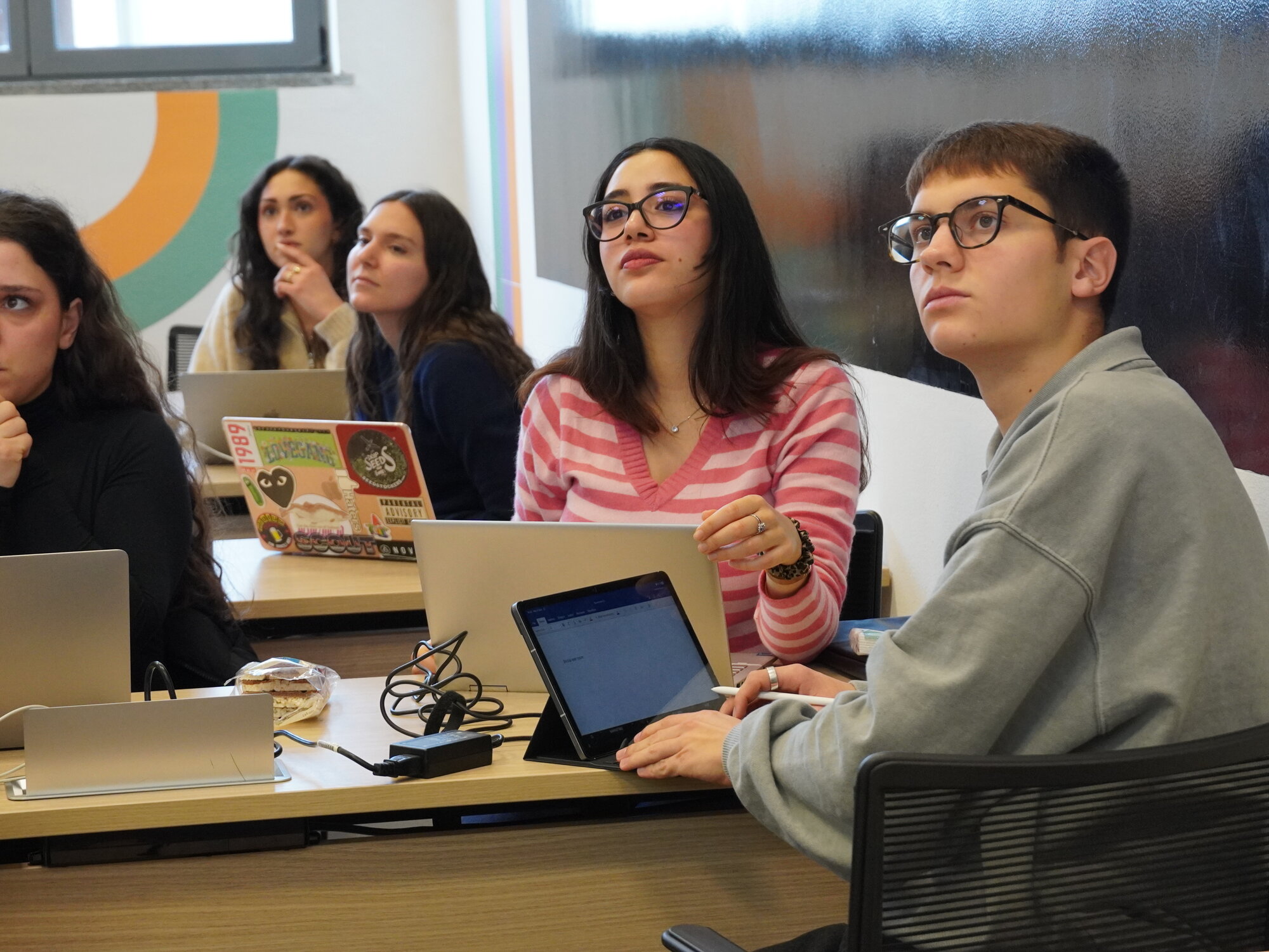
Event Management: What It Takes to Design Memorable Events
Designing an event that leaves a lasting impression is not just a matter of creativity - it requires a well-rounded education that combines marketing, communication, project management, and event production. Here are the key subjects and skills to build a strong foundation in event management.
29 July 2026
KEY TAKEAWAYS
- Event management brings together multiple disciplines, including marketing and communication, creative concept development, project organization and management, as well as event design and production.
- Learning through workshops based on real client briefs helps bridge the gap between academic theory and professional practice.
- Essential soft skills - such as stakeholder management, cross-functional collaboration, and time management - are best developed through hands-on experience.
- A comprehensive educational path should also include direct industry exposure through a curricular internship, allowing students to apply their knowledge in a real-world setting.
The Core Subjects for Anyone Who Wants to Design Events
Memorable events are rarely the result of a single skill. Students of event management typically explore four key areas of study, often structured as dedicated modules within specialized master's programs.
- Marketing & Communication
This module provides the tools to analyze markets and competitors, develop pricing strategies, select media partners, suppliers, and venues, and manage web and social media promotion. It lays the foundation for understanding the target audience and communicating effectively before, during, and after the event.
- Concept & Brand
Every successful event begins with a strong brand identity. This area focuses on the creative process that transforms an idea into a cohesive communication project for trade shows, corporate events, conferences, and exhibitions, ensuring consistency between brand values and the event experience.
- Visual Design & Event Production
A solid understanding of materials, exhibition layouts, and event design is essential for professionals responsible for managing projects and overseeing event production, even if they are not directly involved in building the installations themselves.
- Organization & Management
This module covers event planning, operational management, and project coordination from both the event producer's and the client's perspective. It is where students develop the project management skills needed to deliver events efficiently, on time, and within budget.
From Theory to Practice: The Value of Workshops
Academic knowledge alone is not enough to prepare a successful event manager. The real difference emerges when those skills are applied to real-world projects. Working on briefs commissioned by companies and event organizers means dealing with practical constraints such as budgets, deadlines, and client expectations.
It is through this transition - from classroom concepts to the execution of a live client brief - that future event professionals truly develop the skills needed to design events that not only look compelling on paper but also succeed in practice.
The Soft Skills Behind Memorable Events
An event is remembered not only for its creative concept but also for the quality of its execution. Large-scale international productions illustrate this perfectly. The Opening Ceremony of the Milano Cortina 2026 Olympic Winter Games, produced by Balich Wonder Studio, required robust project governance, seamless coordination between creative and operational teams, and rigorous scheduling across four simultaneous venues. The same core competencies - strategic planning, stakeholder management, supplier coordination, and safety management - are equally essential, albeit on a different scale, for corporate events, trade shows, and conferences.
Specialization Paths and Career Opportunities
Graduates of an event management program can pursue a wide range of careers, including Event Project Manager, Exhibition Coordinator, Marketing & Communications Manager, Business Developer, and Producer of corporate or cultural events. The direction they take often depends on which aspects of the field - creative, organizational, or strategic communication - they find most engaging during their studies and internship experience.
|
All These Subjects in One Program: The PROGEA Master's Degree PROGEA, the First-Level University Master's Degree in Trade Fair, Event and Conference Design and Management, offered by Accademia Fiera Milano in partnership with the University of Milan, brings together all four core areas explored in this article through a 500-hour curriculum: Marketing & Communication, Concept & Brand, Visual Design & Event Production, and Organization & Management. Delivered in person, the program combines classroom learning with hands-on workshops based on real client briefs, before culminating in a curricular internship that allows students to put their knowledge into practice in a professional environment. |
FAQ
What Do You Study in an Event Management Master's Program?
The most comprehensive programs cover four core areas: Marketing & Communication, Concept & Brand, Visual Design & Event Production, and Organization & Management. Many also include a professional development module to help students prepare for their careers in the events industry.
Why Is Project Work Important in Event Management Education?
Project work allows students to apply theoretical knowledge to real client briefs commissioned by companies and event organizers. It develops the ability to work within real-world constraints—such as deadlines, budgets, and client expectations—mirroring the challenges of a professional event management role.
What Soft Skills Are Essential for Designing Memorable Events?
Successful event professionals combine creativity with strong organizational abilities. Key skills include planning, cross-functional coordination, stakeholder management, and real-time problem-solving, all of which are essential to delivering events that run smoothly and create a lasting impact.
What Career Opportunities Does an Event Management Qualification Offer?
Graduates can pursue a variety of roles, including Event Project Manager, Exhibition Coordinator, Marketing & Communications Manager, Business Development Manager, and Producer of corporate or cultural events.
Is It Better to Study Event Management On Campus or Online?
On-campus programs offer valuable opportunities for face-to-face learning, collaboration with industry professionals, hands-on workshops, and curricular internships. These experiences provide direct exposure to the events industry and are difficult to replicate in a fully online environment.