The world of exhibitions
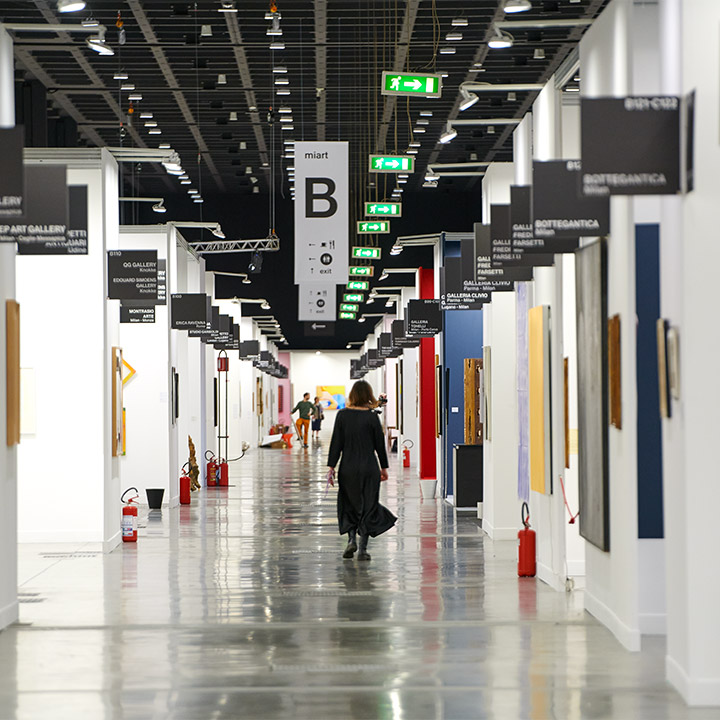
Exhibitions are platforms for meeting, exchange and growth. Manufacturers, suppliers, distributors, buyers, start-ups and innovators come together to create connections, circulate ideas and open new pathways for business. They are decisive moments for the growth of manufacturing and for supporting the real economy of nations.
million exhibitors worldwide
million visitors every year
active venues
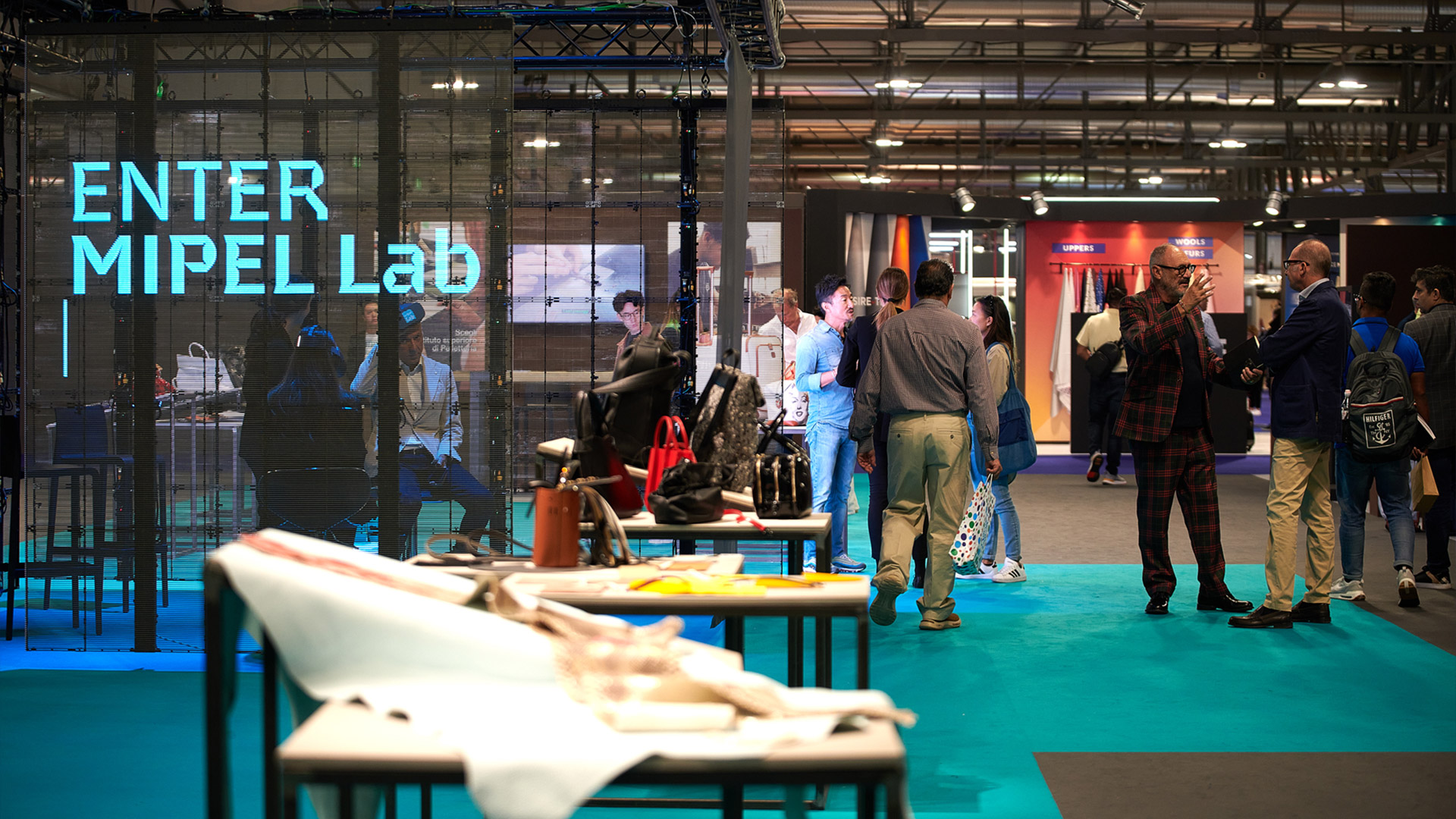
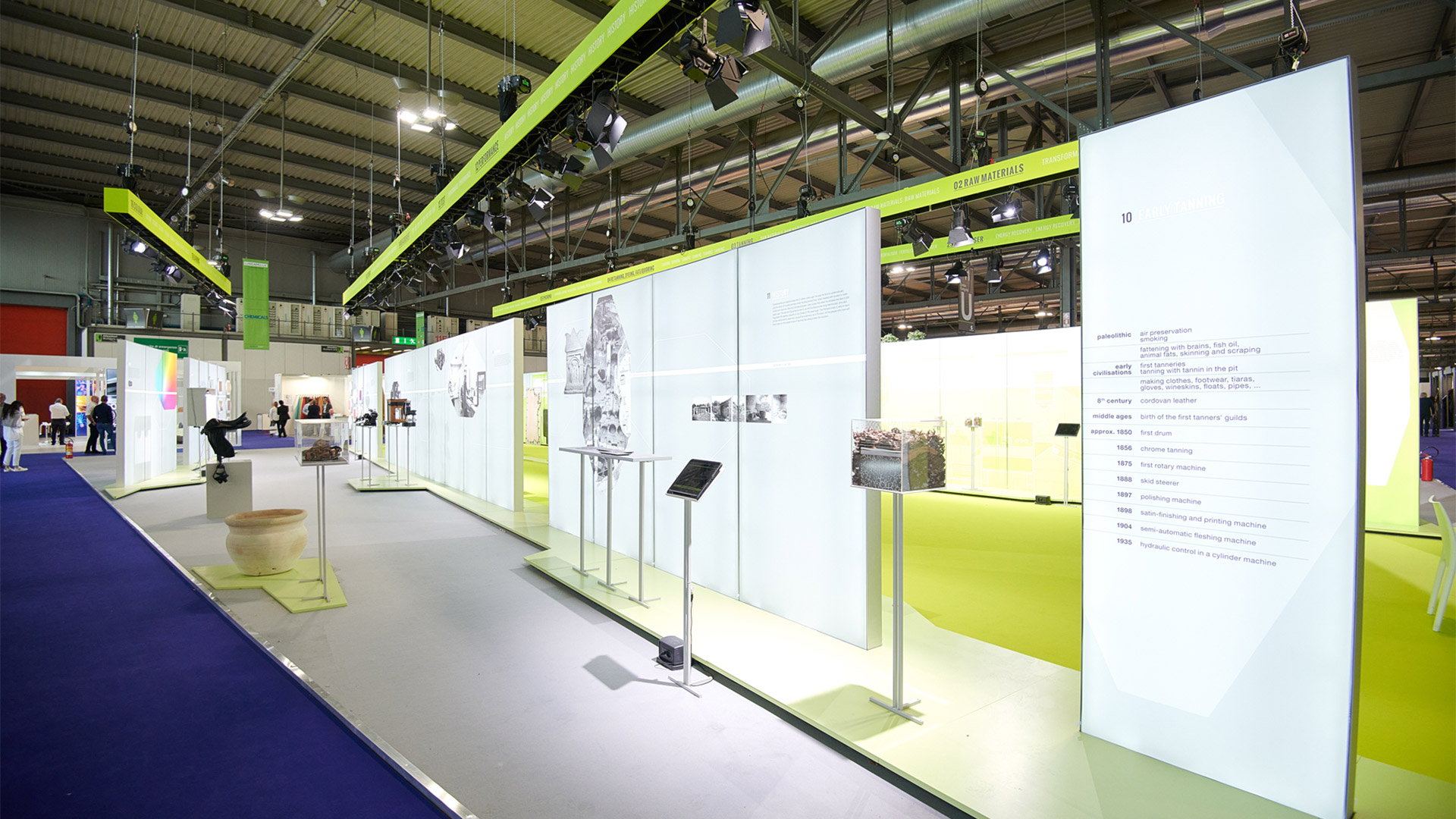
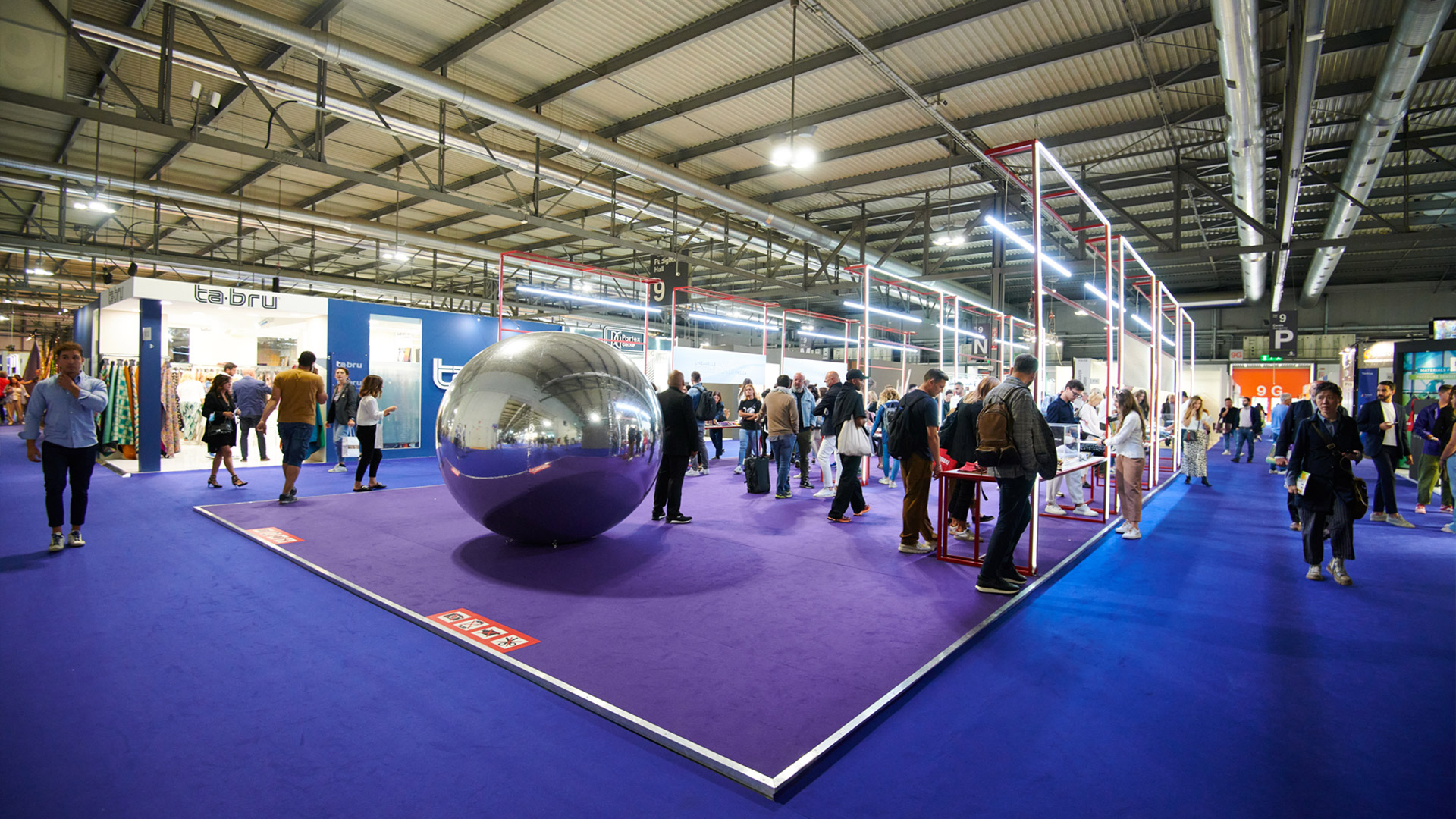
Professions and challenges of working in exhibitions

Behind every successful exhibition there is a team of professionals with specialised skills, who work together to bring dynamic and engaging events to life.

Working in exhibitions means designing experiences, facilitating relationships and driving innovation. Those who work in the exhibition world engage with a great variety of industries and companies, from major market leaders to small enterprises and startups. Every day they meet people from all over the world, with one clear goal: to help exhibitors connect with their target audiences, do business and generate new opportunities.
It is a complex and stimulating profession that requires continuous updating on economic trends, knowledge of the performance of the specific exhibition sector, and empathy in working with different companies, each with its own needs and identity.
The future of exhibitions is green
Exhibitions represent a crossroads between innovation and the market, where collaborative communities that are capable of generating concrete change in the global economy are formed. In this context, it is essential to integrate ESG principles – environmental, social and economic – into every aspect of exhibition activity.
This industry was among the first to adhere to the 2015 Paris Agreement, committing itself actively to reducing its carbon footprint. International organisations such as UFI, AIPC and ICCA have set up task forces dedicated to environmental sustainability.
Strategies that can be adopted include connections with public transport, local suppliers committed to green policies and the use of renewable energy. Waste management also plays a central role, with plastic-free initiatives, short supply chains (Km0), and awareness-raising campaigns.
On a social and economic level, exhibitions promote inclusivity and accessibility by adopting solutions such as tactile maps, guiding paths for visually impaired visitors, wheelchairs and rental scooters.
The use of local resources and solidarity-based practices strengthens the commitment to integrated sustainability. Exhibitions therefore become laboratories of responsible innovation, capable of generating shared value.